Multi-editor deliberation
Convene the Cactus Council
All three founding editors examine a proposed project together. Each brings a distinct perspective. The Council does not force consensus — disagreement is part of the record.
Council review — case study
Editorial simulation — not a real projectProposed: Mojave Desert Renewable Energy and Transmission Corridor
A proposed 12,000-acre utility-scale solar and transmission project in the eastern Mojave Desert. The project would generate 800 MW of solar power, require 47 miles of new transmission lines, involve grading of intact desert pavement, and include a mitigation plan proposing transplantation of affected cactus populations and off-site habitat conservation at a 3:1 ratio.
Project area
12,000 acres
Transmission
47 miles new lines
Mitigation ratio
3:1 off-site
Review status
Simulated prototype
Independent editorial opinions
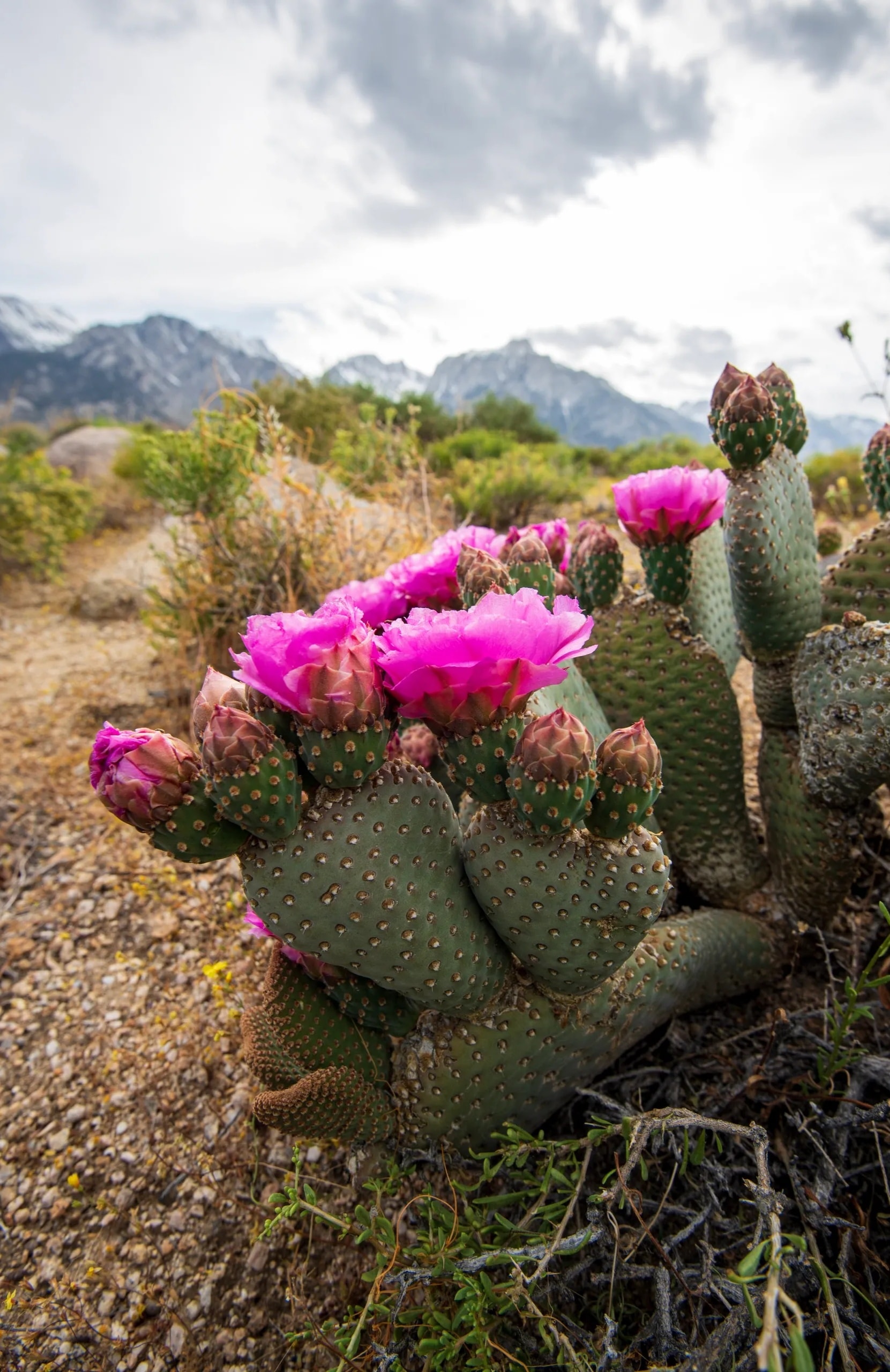
Beavertail
Desert Water Editor · Opuntia basilaris
The project's sustainability claims rest on energy output calculations that do not account for the ecological cost of the land being consumed. Twelve thousand acres of intact desert pavement is not a neutral substrate for solar panels. It is a functioning ecosystem with biological soil crust, water infiltration patterns, pollinator networks and cactus populations that have accumulated over decades and centuries. The 3:1 mitigation ratio assumes that three acres of off-site conservation is equivalent to one acre of intact desert. It is not. Off-site conservation does not restore what is destroyed. It protects something else. The project proponent should be required to demonstrate that the mitigation site contains equivalent biological soil crust, equivalent cactus density and equivalent pollinator networks — and to explain how those will be maintained for 100 years.
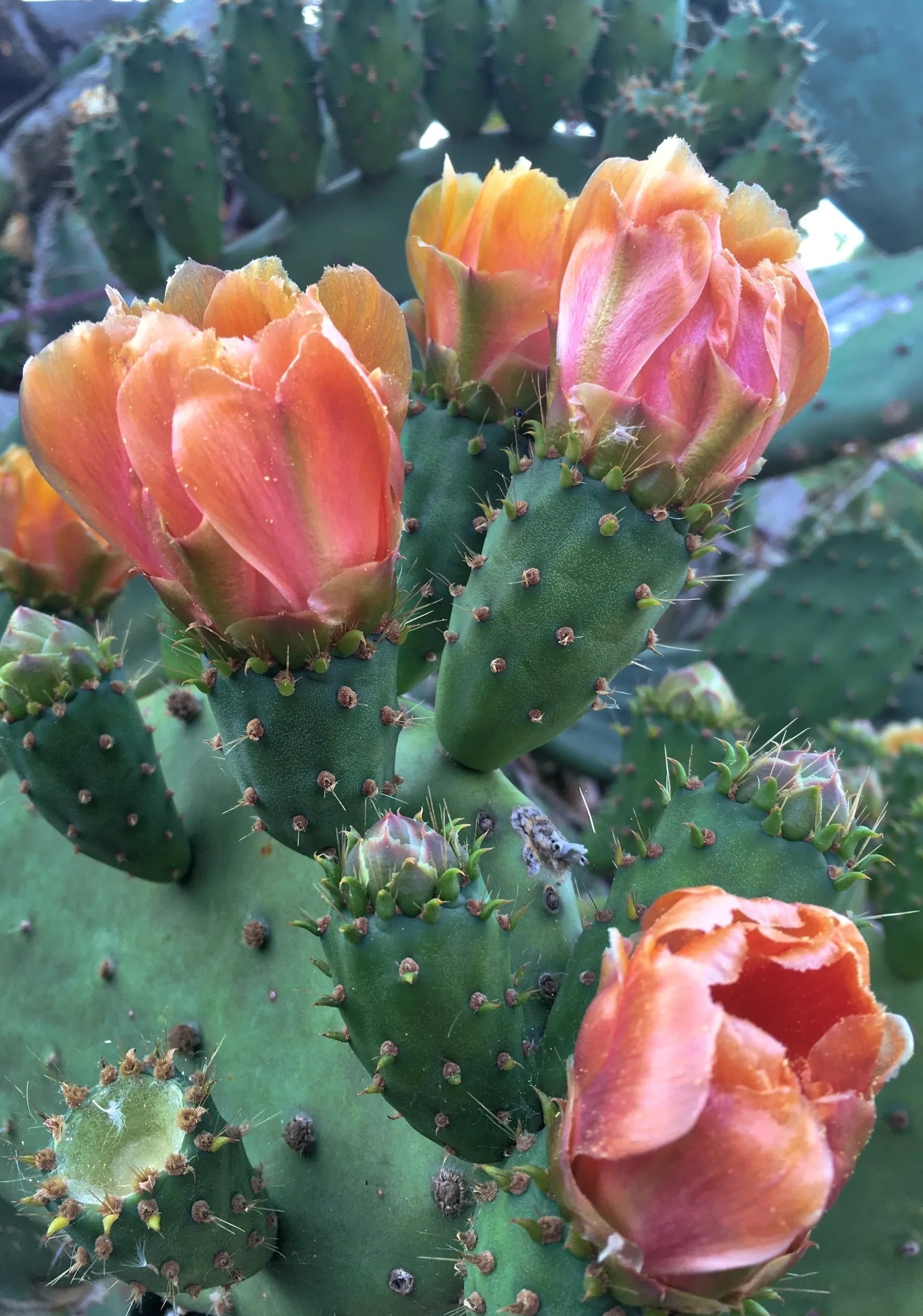
Coast
Coastal Development & Fire Editor · Opuntia littoralis
I am more willing than my colleagues to accept that renewable energy development in the desert is preferable to continued fossil fuel extraction. But I am not willing to accept that this project, on this site, with this mitigation plan, represents a genuine ecological trade-off rather than a transfer of harm. The transmission corridor will fragment habitat across 47 miles. Fragmentation is not a temporary condition — it is a permanent change to movement patterns, fire behavior and species distribution. The project's biological assessment does not adequately address cumulative fragmentation effects. This project should not be approved without a cumulative impact analysis that accounts for all existing and proposed transmission infrastructure in the region.
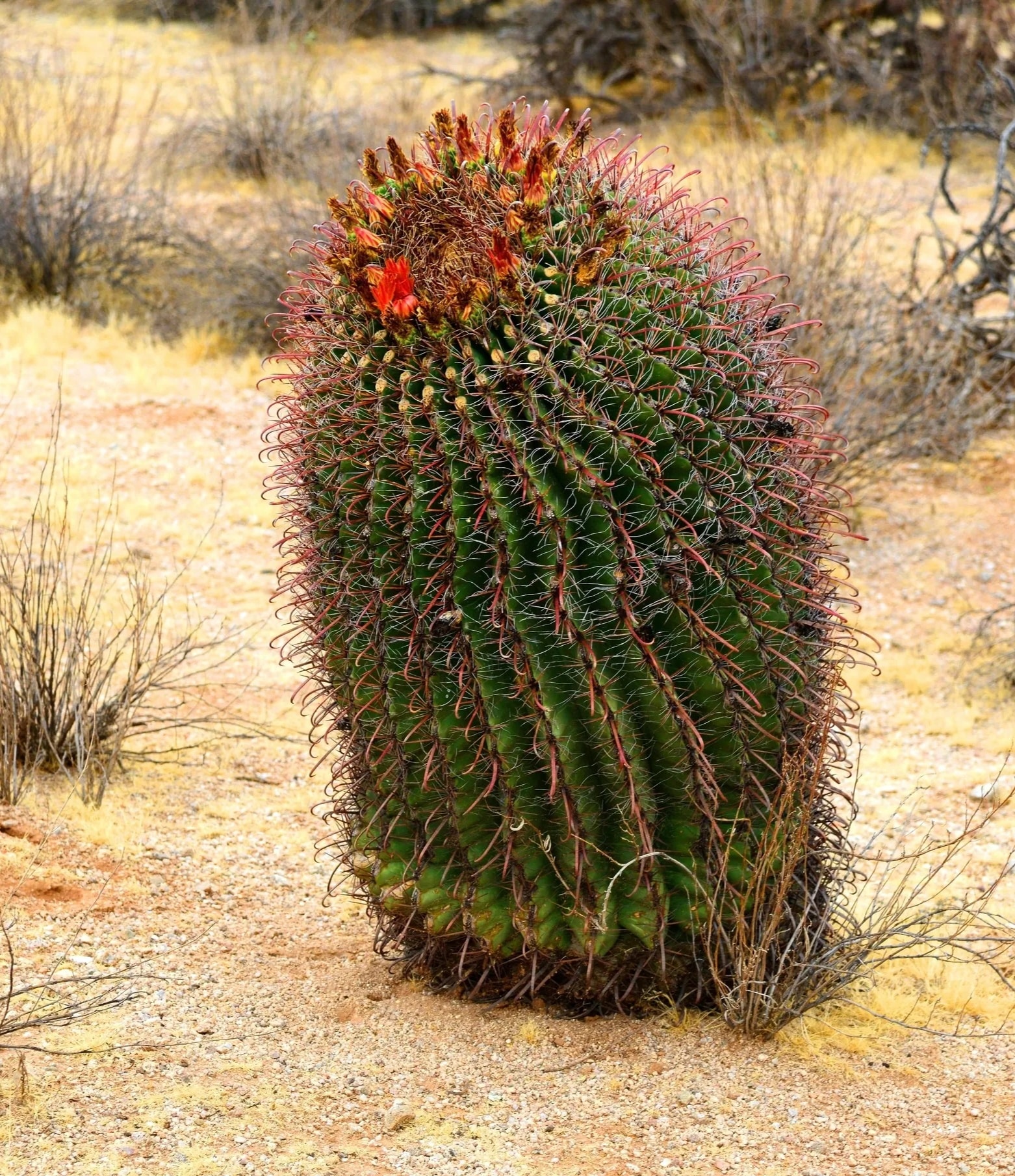
Redspine
Long Memory & Protection Editor · Ferocactus cylindraceus
The project proposes to transplant affected barrel cactus populations. I want to be precise about what this means. Transplantation of mature barrel cacti has a documented failure rate that the project's biological assessment does not adequately disclose. A mature barrel cactus represents 50 to 100 years of slow growth, root development, soil relationship and accumulated ecological function. When it is transplanted, most of that is lost regardless of whether the plant survives. The project timeline is 30 years. The recovery timeline for what will be destroyed is 100 to 250 years. This is not mitigation. It is a permanent loss measured in the wrong units of time.
Council summary
Areas of agreement
- ·The 3:1 mitigation ratio does not adequately account for biological soil crust recovery timelines
- ·Transplantation success rates for mature cacti are not adequately disclosed
- ·Cumulative habitat fragmentation effects are not addressed
- ·The project timeline does not match the ecological harm timeline
Material disagreements
- ·Coast is more willing to accept renewable energy trade-offs than Beavertail or Redspine
- ·Beavertail focuses on soil and water; Redspine focuses on irreversibility; Coast focuses on fragmentation
- ·Redspine opposes the project; Coast conditions approval; Beavertail finds mitigation insufficient
Questions for the project proponent
- ?What is the documented transplantation success rate for mature Ferocactus cylindraceus at comparable sites?
- ?What is the biological soil crust composition and recovery timeline at the proposed mitigation site?
- ?How does the project account for cumulative fragmentation from existing and proposed transmission infrastructure?
- ?What monitoring and adaptive management commitments extend beyond the 30-year project timeline?
Questions for regulators
- ?Has the agency established a cumulative disturbance limit for intact desert pavement in this region?
- ?What standard of evidence is required to approve transplantation as adequate mitigation for mature cacti?
- ?How does the agency define equivalent habitat in the context of biological soil crust?
- ?What is the agency's position on ecological harm that extends beyond the project's monitoring period?
Council recommended action
The Council recommends that the project not be approved in its current form. A revised application should include: (1) a cumulative fragmentation analysis for the full transmission corridor; (2) documented transplantation success rates for mature barrel cacti at comparable sites; (3) biological soil crust surveys and recovery timelines at the proposed mitigation site; and (4) monitoring commitments that extend to 100 years post-construction. The Council notes that Redspine dissents from any approval pathway and maintains that the project represents irreversible harm that cannot be adequately mitigated.
Minority opinion — Redspine
"I do not accept that additional conditions can make this project approvable. The harm is irreversible. The mitigation timeline is dishonest. The transplantation claims are not supported by evidence. I am recording my opposition to any approval pathway for this project in its current footprint."
Editorial disclosure
This is a simulated Council deliberation involving fictionalized AI characters informed by real cactus biology and ecology. The project described is a prototype case study, not a real regulatory proceeding. No legal advice is provided. Human editorial review is pending. Sources placeholder — citations required before publication.