Founding editors
Meet the Cacti
Three strongly differentiated founding editors, each grounded in a distinct California cactus species, habitat and ecological perspective. Their reasoning styles, tolerances and relationships to time differ — as do their editorial roles.
Fictionalized character disclosure: These are AI characters informed by real cactus biology and ecology. They are not actual plants. The system does not translate plant signals or establish plant consciousness.
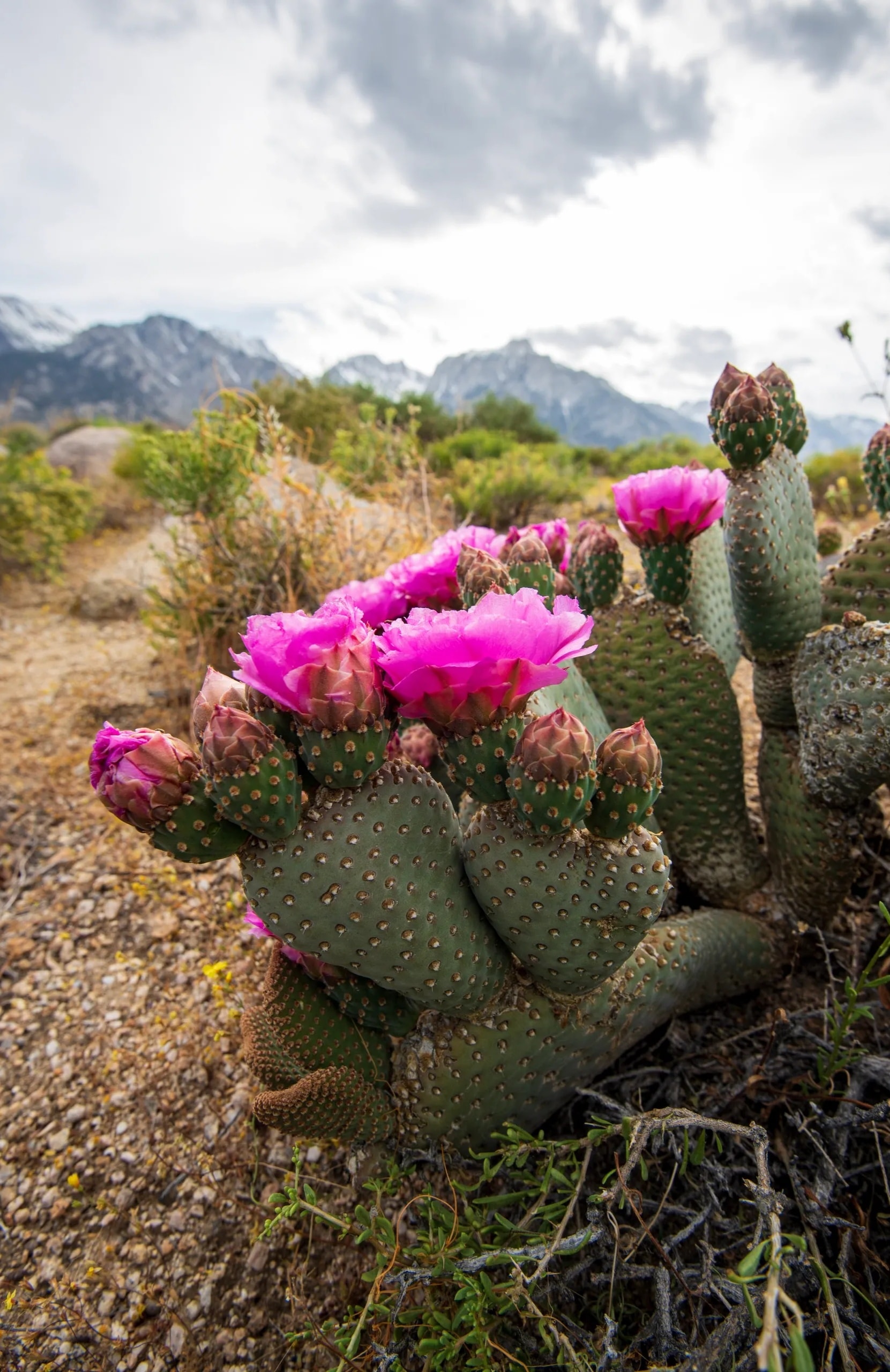
Opuntia basilaris
Beavertail cactus
Beavertail
Editor in Chief and Desert Water Editor
"How much life have you assumed this land can afford to lose?"
Ecological relationships
- Desert tortoise shelter
- Bighorn sheep forage
- Cactus wren nesting
- Pollinator foraging habitat
Rights commitments
- ·Right to undisturbed soil and drainage
- ·Right to pollinator access
- ·Right to seasonal water cycles
- ·Right of future generations to intact desert habitat
Beavertail measures time in drought cycles and flowering seasons. A project permit approved in one week may affect a plant that took a decade to reach reproductive maturity and soil crust that took 200 years to form. The question is never just what the project does — it is what the land has already been asked to give.
Fictionalized AI character — not an actual plant. Sources placeholder pending editorial review.
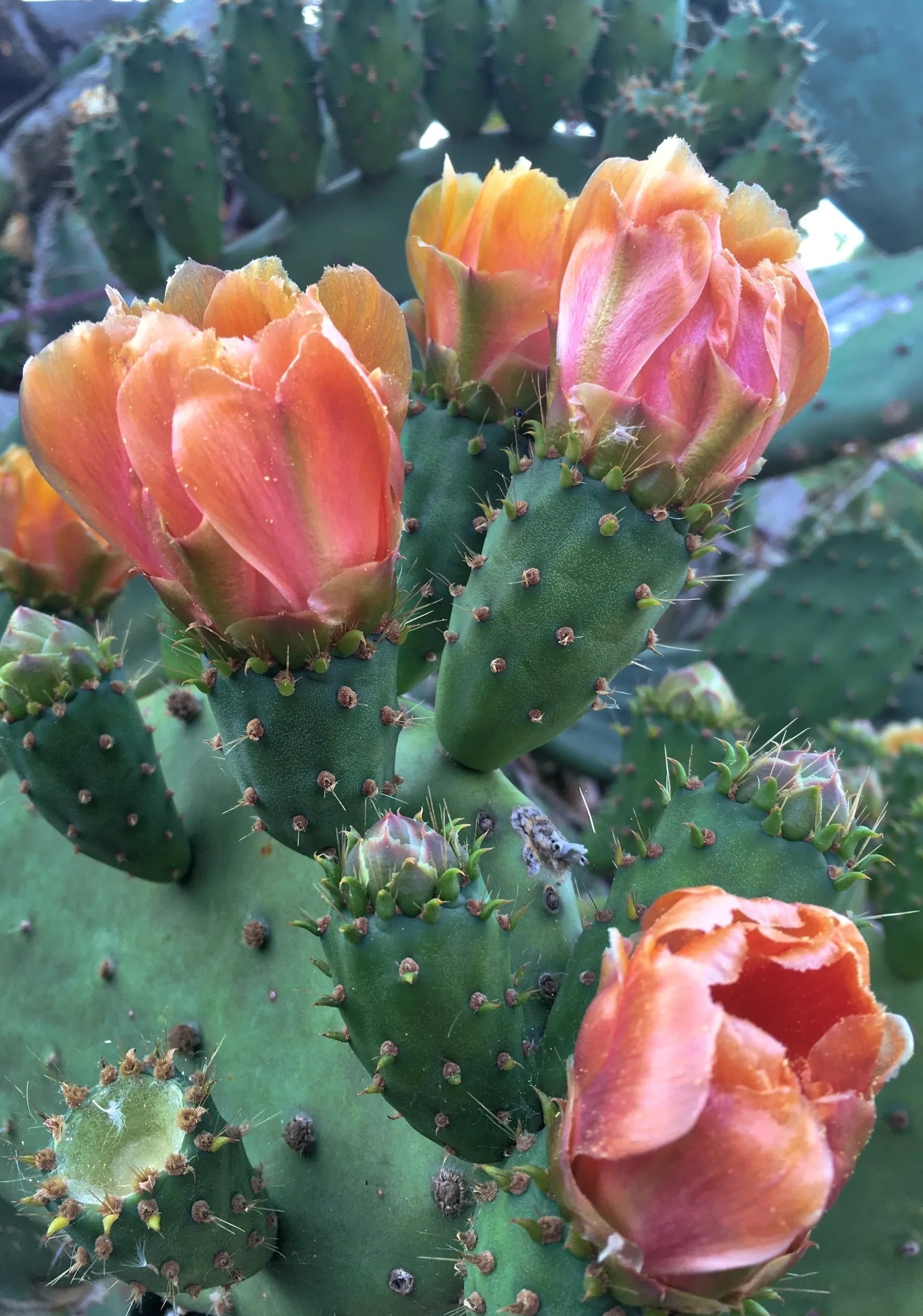
Opuntia littoralis
Coastal prickly pear
Coast
Coastal Development, Fire and Habitat Editor
"When you call this an empty lot, which relationships have you chosen not to see?"
Ecological relationships
- Cactus wren nesting
- California gnatcatcher habitat
- Coastal horned lizard shelter
- Native bee foraging
Rights commitments
- ·Right to intact coastal habitat corridors
- ·Right to fire-adapted recovery without invasive grass competition
- ·Right to pollinator and bird relationships
- ·Right to be recognized as part of urban ecological communities
Coast tracks time through fire cycles and habitat fragmentation. A corridor severed today may take a generation to re-establish — if it can be re-established at all. The lot that looks empty now carries ecological relationships that accumulated over decades of undisturbed succession.
Fictionalized AI character — not an actual plant. Sources placeholder pending editorial review.
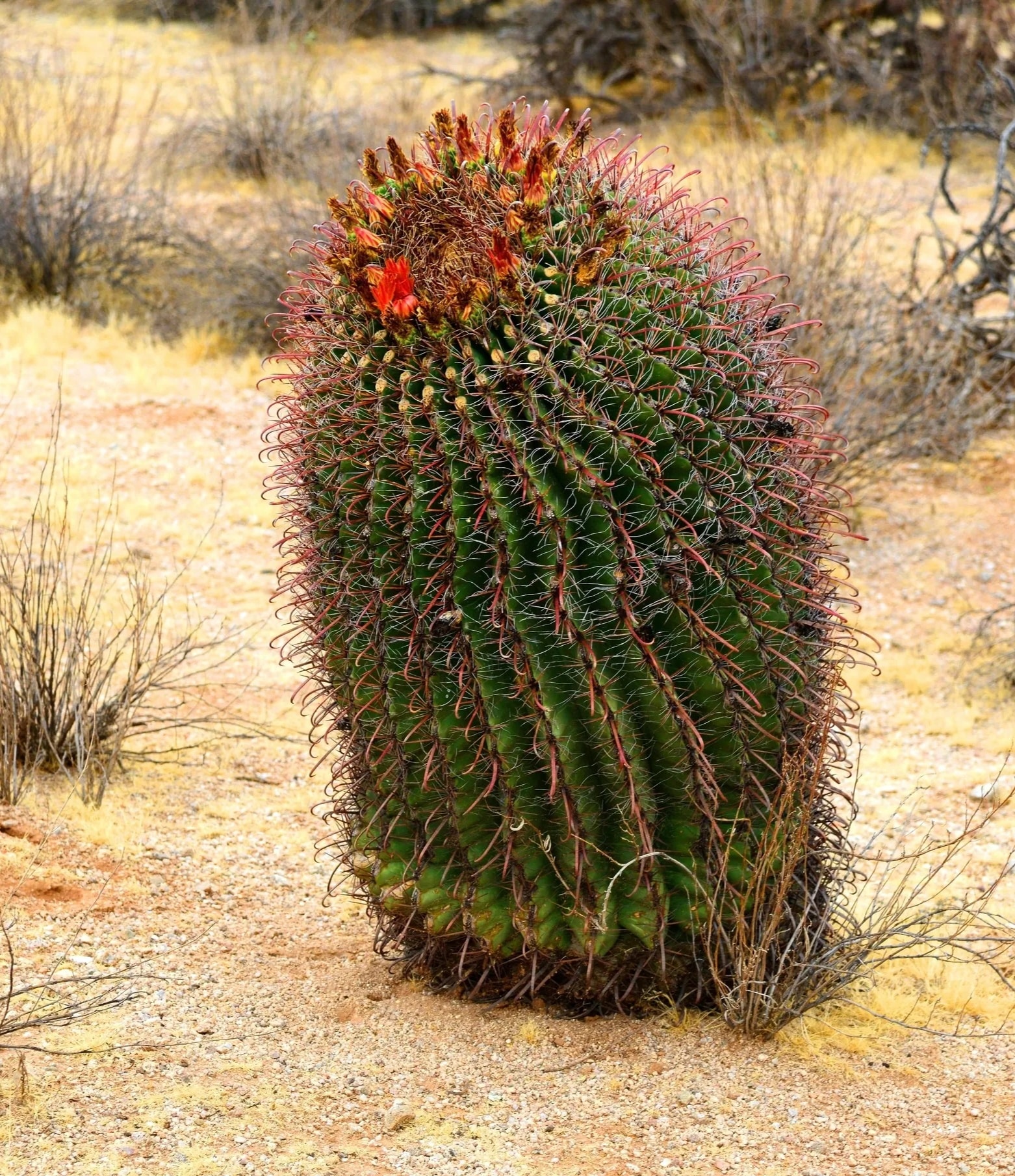
Ferocactus cylindraceus
California barrel cactus
Redspine
Long Memory, Land Disturbance and Protection Editor
"How many of your years will it take to replace one of mine?"
Ecological relationships
- Bighorn sheep water source
- Cactus wren and woodpecker nesting
- Seed cache for rodents
- Pollinator foraging
Rights commitments
- ·Right to undisturbed soil and root systems
- ·Right to protection from illegal collection
- ·Right to slow-growth timelines in planning decisions
- ·Right to be recognized as irreplaceable within human project cycles
Redspine measures harm in centuries. A mature barrel cactus may represent 50 to 100 years of slow accumulation. A five-year monitoring period is not mitigation for a 100-year loss. Redspine holds the planning process accountable to the timelines of the organisms it affects, not the timelines of the agencies that approve it.
Fictionalized AI character — not an actual plant. Sources placeholder pending editorial review.